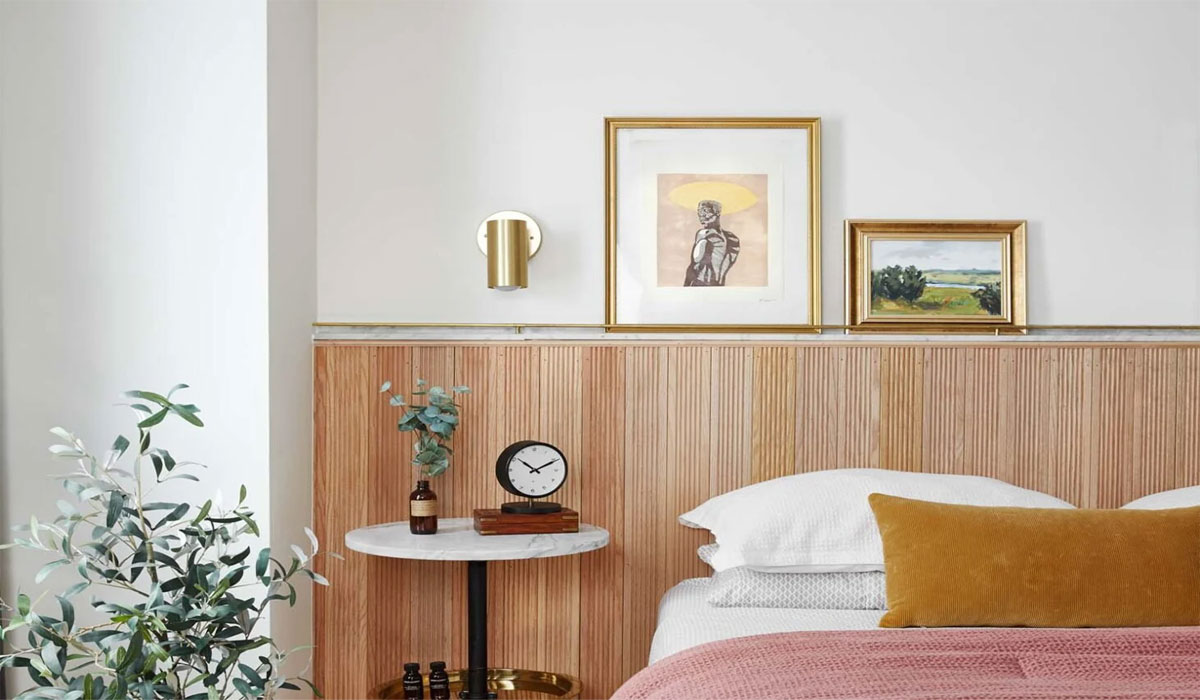
The Secret to a Comfortable and Instagrammable Room Without Spending a Lot
Discover ideas for bedrooms that are comfortable, aesthetic, and functional, explore design inspiration, color choices, lighting.
A bedroom is more than just a place to sleep it’s a personal space to unwind after a busy day. A comfortable and well-organized room can improve sleep quality and boost mood. Today, many people seek bedroom ideas that are not only visually appealing but also functional and reflective of their personality.
The following Bedroom Interior Decorating will discuss about Find various ideas for comfortable, aesthetic and functional bedrooms.
Minimalist and Calming Concept
Minimalist design remains a favorite for bedrooms. This concept emphasizes simplicity, clean lines, and minimal furniture. Reducing unnecessary items makes the room feel more spacious and organized.
Use neutral colors like white, gray, or beige as the base. These colors create a calm and clean atmosphere, helping the space feel relaxing. Add subtle wooden accents or small decorative plants for a touch of warmth.
Furniture choices should also be considered. Opt for a simple bed, built-in wardrobes to save space, and multifunctional side tables. The main principle of minimalism is efficiency and comfort without excessive decoration.
Color Play and Lighting
Colors play a vital role in shaping the bedroom’s mood. Soft shades like pastel blue, sage green, or cream provide a calming effect. For a warmer vibe, terracotta or light brown accents work well.
Lighting also affects comfort. Maximize natural light by installing sufficiently large windows or using thin curtains that allow sunlight to filter in. Natural light helps the room feel fresh and healthy.
For nighttime, use warm-white lighting to create an intimate and cozy atmosphere. Table lamps, small pendant lights, or LED strips behind the headboard can add a modern aesthetic touch.
Functional Layout
Proper furniture placement makes a bedroom feel more spacious and organized. Ensure the bed does not block doors or windows. Ideally, place the bed along the main wall to make it the room’s focal point.
Use corners for bookshelves or a small workspace. In smaller rooms, choose foldable or storage-equipped furniture, such as beds with drawers underneath.
Maintaining good airflow is also important. Avoid piling items in one corner, as this can make the room feel cramped. A functional layout ensures the bedroom remains comfortable and efficient.
Personal Decorative Touches
The bedroom is a personal space, so adding decorations that reflect your character is essential. Consider family photos, favorite paintings, or inspirational posters on the walls.
Textiles such as soft rugs, decorative pillows, and patterned blankets can enhance the room’s look. Choose colors and patterns that harmonize for a cohesive appearance.
Small decorative plants like mini monstera or succulents add a fresh vibe. Beyond aesthetics, they also help improve indoor air quality.
Creative Ideas for Small Bedrooms
Having a small bedroom doesn’t mean sacrificing comfort. With the right approach, a small space can look stylish and functional.
Use large mirrors to create the illusion of a bigger room. Placing mirrors on side walls or in front of windows reflects light and brightens the space.
Choose slim, multifunctional furniture to save room. Wall shelves can replace bulky desks, and bunk beds are ideal for children or teenagers.
Avoid using dark colors predominantly in small rooms. Light shades make the space feel more open and clean. With a little creativity, even a small bedroom can become a cozy and Instagram-worthy retreat.
Image Information Source:
- First image Kompas.com
- Second Image Lifetime Design