Secrets Behind Styles and Themes That Designers Don’t Want You to Know
Design is more than just decoration it’s an expression of personality, culture, and creativity The choices we make in colors.
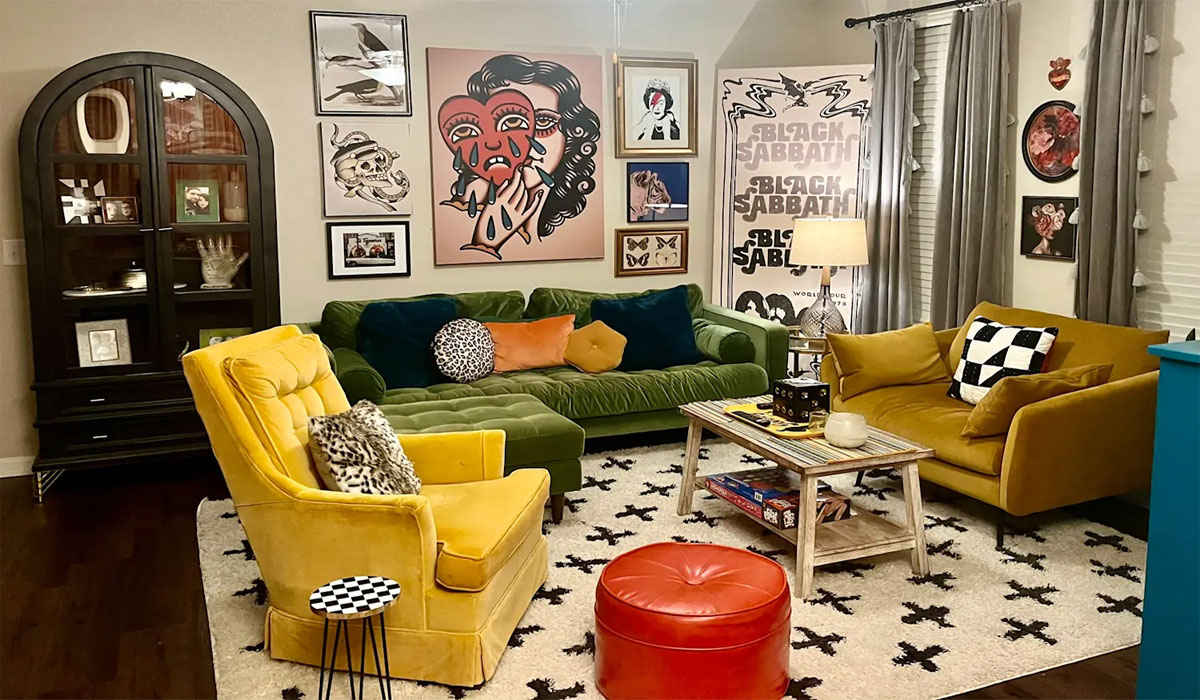
Patterns, and layouts communicate emotions and set the mood for a space, event, or even a personal brand. Yet behind every beautiful interior, website, or product, there are secrets and strategies that designers often keep to themselves. Understanding these hidden principles can completely transform the way you approach styles and themes.
The following Bedroom Interior Decorating | Design… will discuss finding various ideas for comfortable and aesthetic bedrooms, ranging from minimalist, modern, to cozy concepts.
The Power of Color and Contrast
Color is one of the most important tools in a designer’s arsenal. It can evoke emotion, create focus, and even influence behavior. Designers often use color schemes strategically to convey mood warm tones like reds and oranges create energy, while cool blues and greens promote calm and relaxation.
Contrast is another essential element. By balancing light and dark, bold and subtle, designers guide the viewer’s attention and highlight important features. Even a small pop of a contrasting color can make a piece of furniture, artwork, or graphic design instantly stand out.
Top designers also consider cultural and psychological implications of colors. For example, white signifies purity in some cultures, while it represents mourning in others. Understanding these nuances ensures that styles and themes communicate the intended message and resonate with the audience.
The Art of Layering and Texture
Texture adds depth and tactile interest to any design. From plush fabrics and rough stone surfaces to smooth metals and soft wallpapers, layering textures can create a sophisticated and multi-dimensional space. Designers often combine unexpected textures to evoke surprise and delight.
Layering is also crucial in themes. In interior design, layering involves combining furniture, accessories, and décor items in a way that feels natural yet curated. On digital platforms, layering colors, shapes, and typography achieves visual hierarchy and clarity. The goal is to create a cohesive story while keeping the viewer engaged.
The key secret designers often use is subtlety. Over-layering can overwhelm, while under-layering can feel flat. Professionals carefully select a few textures or layers that complement each other, creating richness without clutter. This balance is what separates amateur designs from polished, professional ones.
read also: Epic Kids & Teen Rooms Hacks That Parents and Teens Are Loving in 2026
Focal Points and Visual Flow
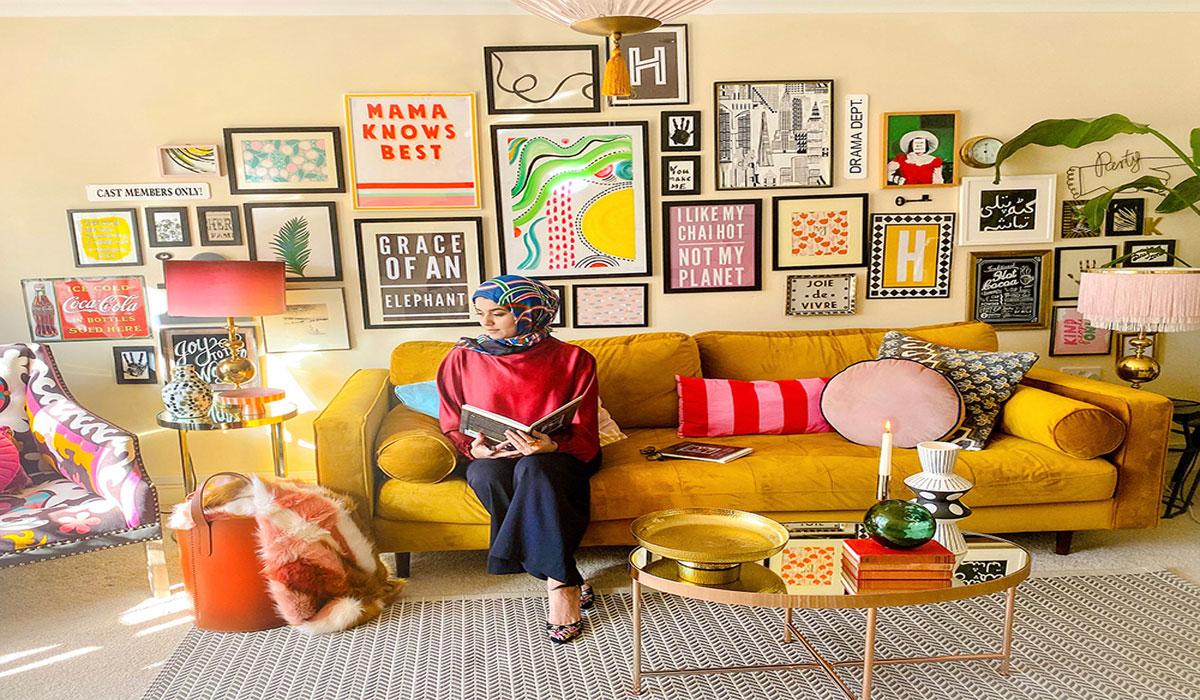
Every great design has a focal point a feature that immediately draws attention. It could be a bold piece of artwork, a statement piece of furniture, or a striking headline in a layout. The focal point serves as the anchor for the overall style and theme, giving viewers a place to start before exploring other details.
Visual flow is another secret that designers rely on. By guiding the eye from one element to the next, designers create harmony and narrative within the space or visual. Techniques like alignment, spacing, and repetition ensure that the viewer’s attention moves naturally, making the experience enjoyable and intuitive.
Successful designers understand that too many competing focal points can create confusion. They carefully plan the hierarchy of elements, ensuring that the most important features are emphasized while secondary details support the overall theme. This principle is critical whether designing a room, a website, or a brand identity.
Consistency with Creative Freedom
Consistency is essential for maintaining a coherent style or theme. This means sticking to a unified color palette, typography set, or design motif across all elements. Inconsistent choices can make a design feel chaotic and reduce its impact. Professionals often create style guides to ensure harmony across multiple mediums or spaces.
Yet, the best designs allow for creative freedom within the framework. Designers know when to break rules intentionally to create interest or surprise. A bold accent, unexpected color pairing, or unique shape can make a design memorable without compromising overall cohesion.
This balance of consistency and creativity is what makes styles and themes resonate. By learning to combine structure with expressive choices, anyone can create designs that feel both intentional and inspired. It’s the secret that top designers rely on but rarely share openly.
Conclusion
Styles and themes are far more than superficial aesthetics they are carefully crafted systems that communicate mood, hierarchy, and personality. From strategic color choices and layering textures to creating focal points and balancing consistency with creativity, the secrets behind professional design elevate projects from ordinary to extraordinary.
Understanding these principles allows anyone to approach design with confidence, whether it’s for a home, event, or brand. By uncovering the hidden techniques that designers use, you can make informed choices that enhance beauty, functionality, and engagement.
Image Information Source:
- First Image More Furniture
- Second Image Dekoruma.co